South Korea to prosecute students cheating with smart glasses / Photo: Jung Yeon-je - AFP

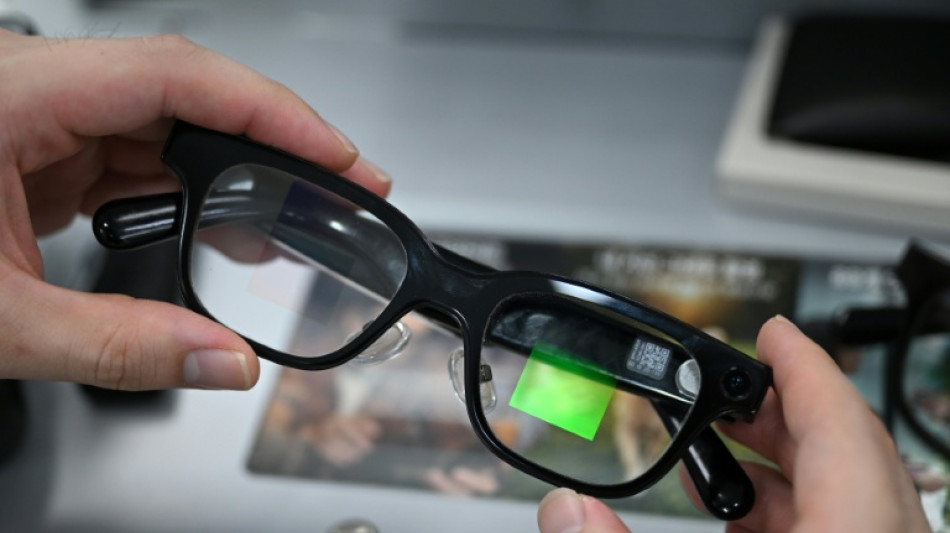
South Korea will file criminal complaints against students caught cheating on a national university entrance exam with smart glasses and toughen penalties for their use, a government official told AFP Friday.
Sales of smart glasses -- which allow the wearer to shoot photos and videos, and interact with an AI assistant among other abilities -- are growing worldwide.
But so is a backlash around the gadgets, including concerns over people being filmed without consent and their use by exam cheats.
South Korea's notoriously gruelling college entry exam, known as the "Suneung", is essential for admission to top universities and widely regarded as a gateway to economic security and even a good marriage.
"The ministry will seek criminal charges against students caught cheating with smart glasses" in the future, Lee Joon-hyuk, an education ministry official, told AFP.
Under authorities' plans, students caught cheating with smart glasses will not be able to retake their exams for three years, an extension from the current penalty of one year.
But the new rules are unlikely to apply to next month's college entrance tests, Lee said.
"With only about 20 days left until the exam, it would be realistically difficult to amend the law before then. However, we plan to push for the changes to take effect from next year's exam," he said.
It comes after three students were caught wearing or possessing smart glasses during institution-administered essay exams at universities in Seoul.
Their use is an emerging issue at schools worldwide. This summer, the prestigious National Taiwan University in Taipei reportedly disqualified an entrance exam candidate for cheating using AI smart glasses.
Seoul's education ministry's new measures to prevent cheating using smart glasses, announced Thursday, included assigning a "designated staff member" at each examination centre to identify suspicious eyewear.
With so much at stake, on the day of the Suneung a 35-minute nationwide ban on flights is imposed during the English listening test, except in emergencies, while banks and public offices tell their workers to start an hour later to avoid traffic on the roads.
Enormous pressure placed on students in South Korea's ultra-competitive education system has been partly blamed for teenage depression and suicide rates that are among the highest in the world.
W.Wright--PI